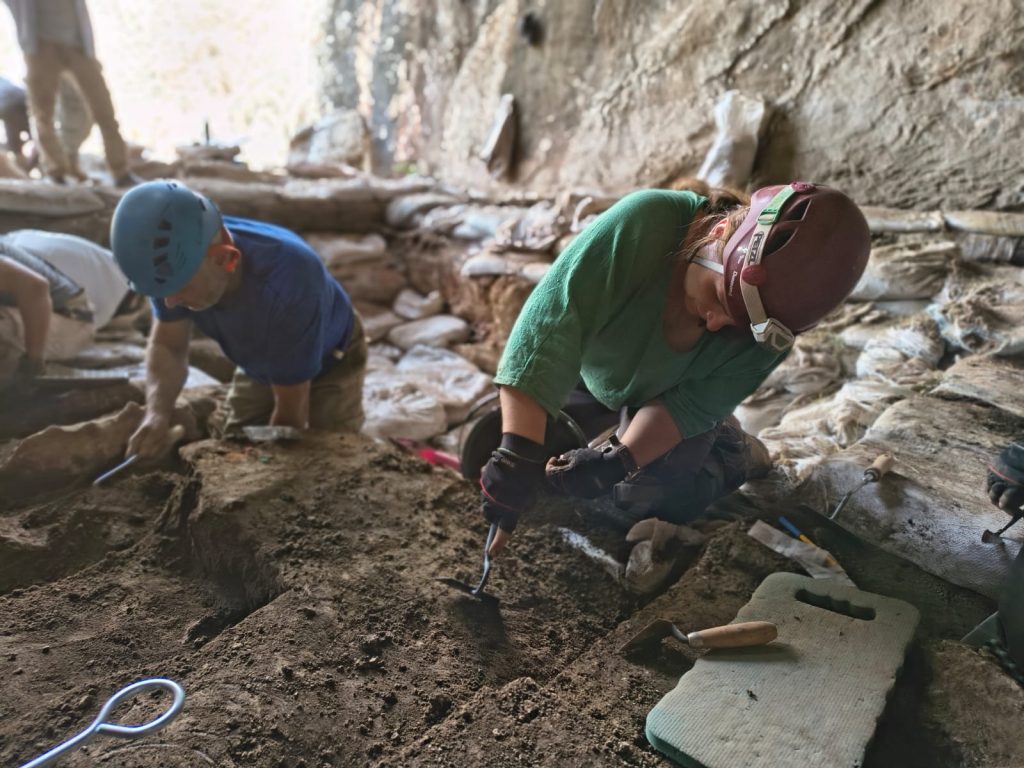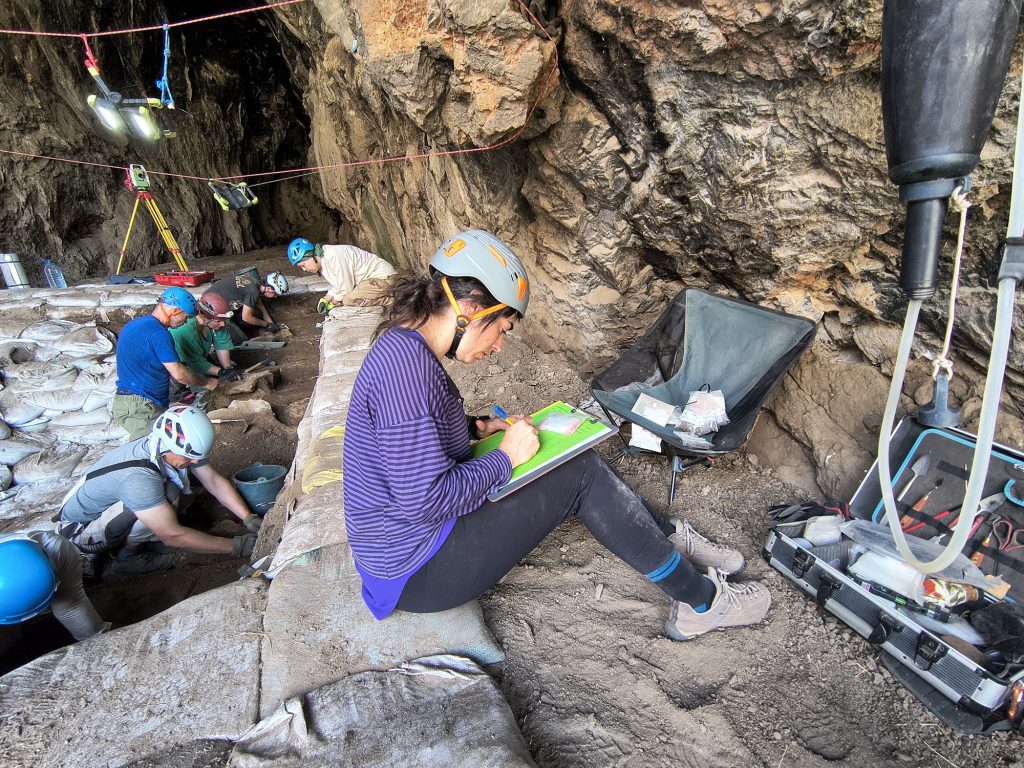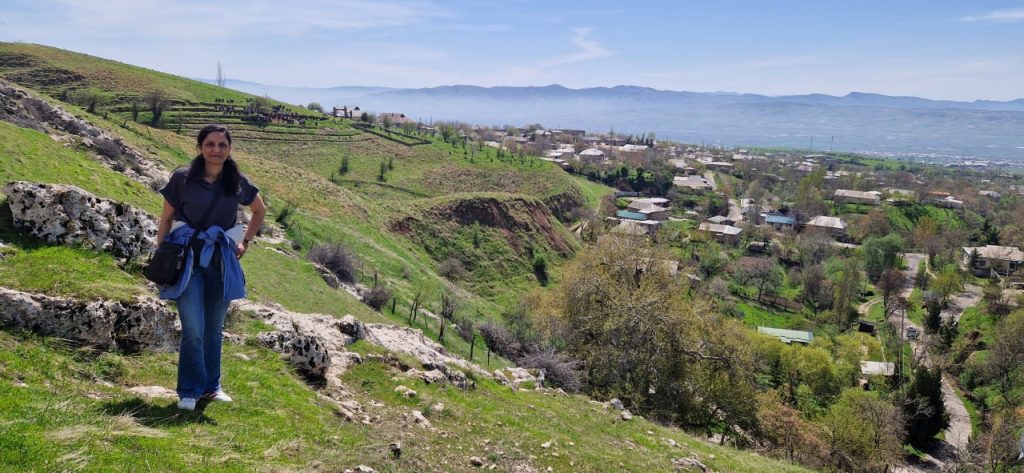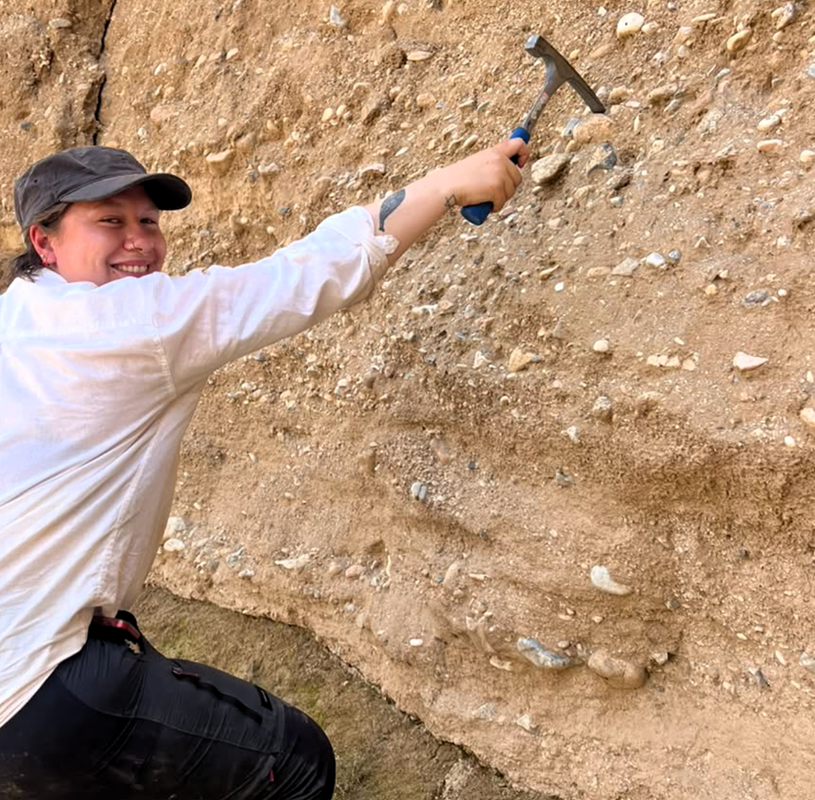
INASIA asks one of the key questions in Central Asian prehistory: who was behind the early technological changes visible around the Middle to Upper Palaeolithic transition? To approach this problem, we need more than a single method or perspective. We need to look at the past across different scales: from mountain landscapes and cave sediments to stone tools, animal remains, spatial data and traces of human activity preserved in archaeological layers.
The INASIA Core Team is formed by researchers whose expertise brings these different lines of evidence together. Their work connects archaeology, geoarchaeology, lithic studies, zooarchaeology, field documentation, spatial analysis and environmental reconstruction. Each of them contributes a different way of reading the deep past through landscapes, artefacts, sediments, bones, field contexts and data.
Together, we try to understand how people moved through demanding environments, how they used caves and landscapes, how technologies were made and transmitted, and how human groups adapted to a changing world.