
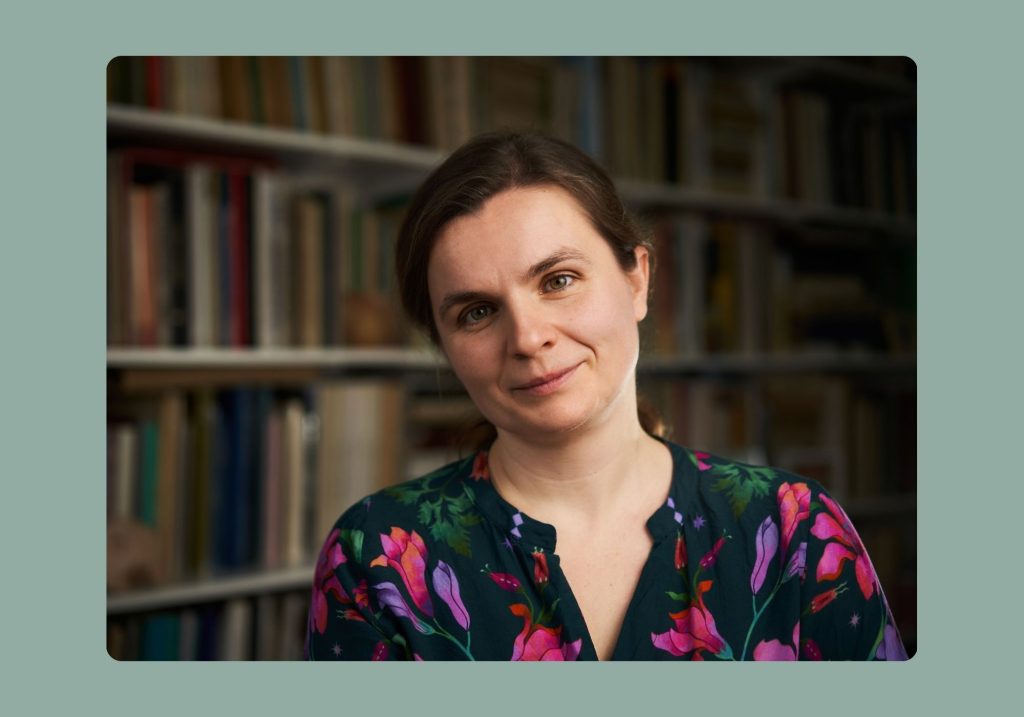
Małgorzata Kot, PhD
Principal Investigator
Małgorzata Kot, PhD is an archaeologist. Her academic interests include the Paleolithic period, human evolution, changes in stone tool production methods, and the functions of caves in prehistory. She has been conducting her research in i.e. Poland, Uzbekistan, Georgia, Montenegro, and Tunisia. She received her PhD in archaeology in 2013 from the University of Warsaw within the framework of the Inter-University Program for Interdisciplinary Doctoral Studies of the “Artes Liberales” Academy.
Link to Google Scholar
This project is a real challenge. After all, how do we search for caves that are not on any maps? How do we reach them through mountains where there are no trails or paths? We are off for five years of a great adventure.
an excerpt from an interview with Prof. Małgorzata Kot – ERC Consolidator Grant (2024)
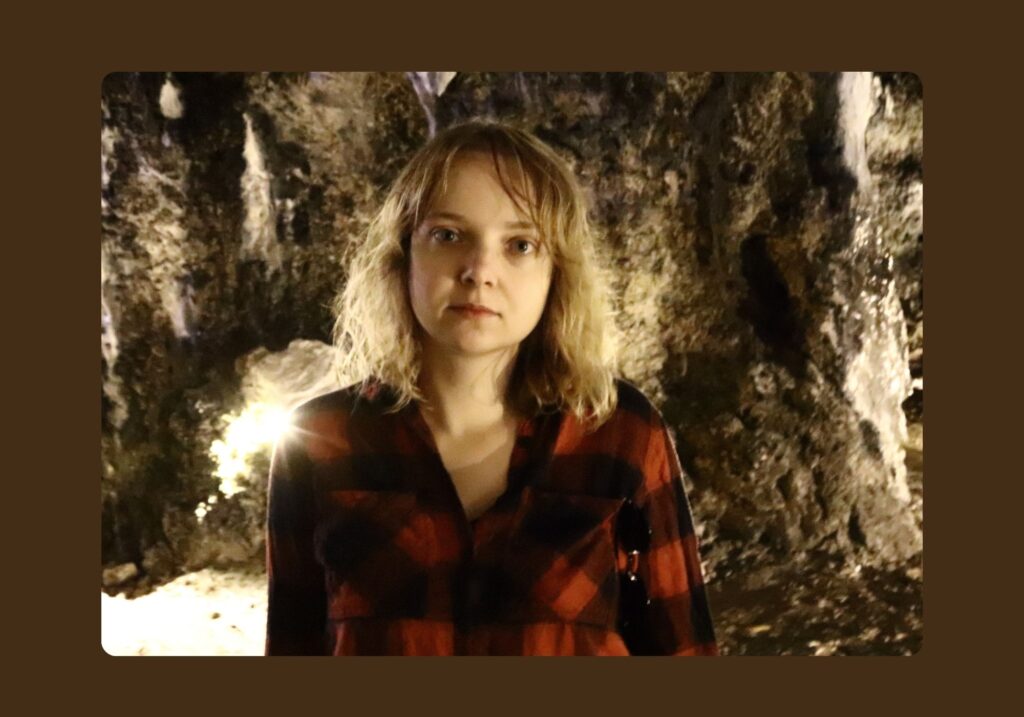
Natalia Gryczewska, PhD
Natalia Gryczewska, PhD, is an archaeologist whose work explores how chemical traces in cave sediments can reveal evidence of past human activity. Her doctoral research focused on studying faecal biomarkers and burning indicators, chemical compounds that offer valuable
insights into how ancient people lived and used space.
She has a particular interest in the Palaeolithic and human evolution, and works at the intersection of archaeology and the natural sciences.
Link to ResearchGate
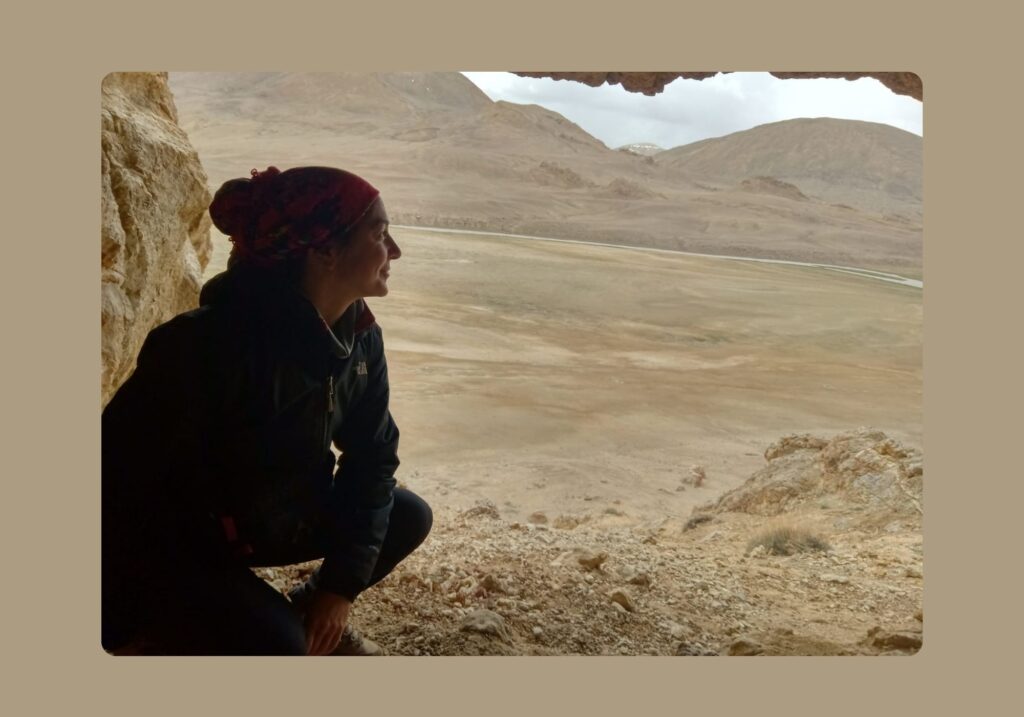
Greta Brancaleoni, PhD
Greta Brancaleoni obtained her Ph.D. in Earth and Environmental Sciences in 2024 from the Polish Academy of Sciences (Poland). She specializes in the reconstruction of site formation processes at archaeological sites through microstratigraphy and complementary analyses, such as geochemical, mineralogical, and sedimentological analyses.
Her main research areas are Central Asia (Kyrgyzstan, Uzbekistan, and Tajikistan) and Central Europe (Poland). She is most interested in processes shaping archaeological sites and human-environment interactions.
Link to ORCID
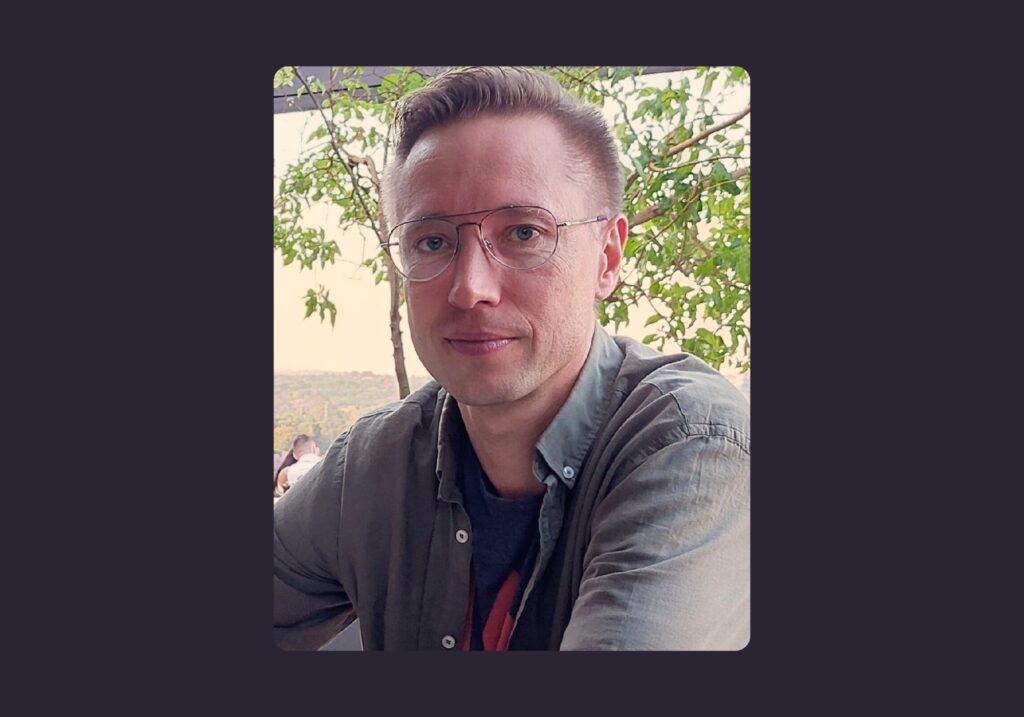
Marcin Szymanek, PhD
Marcin Szymanek, PhD, is a Quaternary geologist and malacologist.
His research interests focuses on the Pleistocene and Holocene periods,
the study of terrestrial and freshwater mollusc assemblages,
and palaeoenvironmental and palaeoclimatic reconstructions.
He has conducted research in Poland, France, South Africa, and Uzbekistan. He received his PhD in Earth Sciences (Geology) from the University
of Warsaw in 2008.
Link to Google Scholar
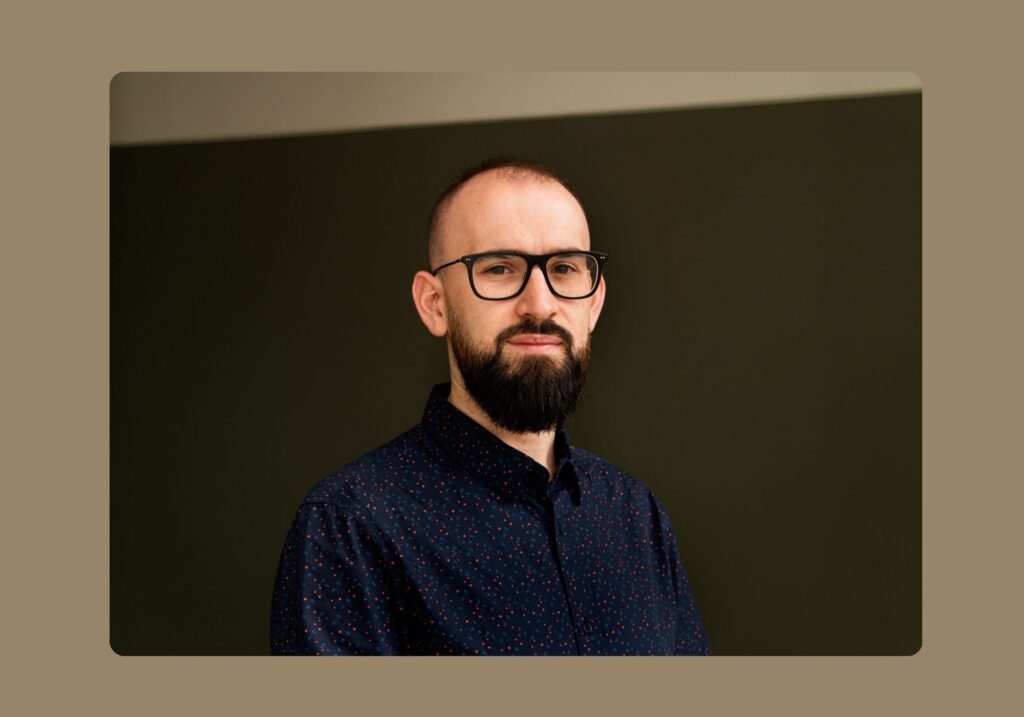
Iván Rey Rodríguez, PhD
Iván Rey Rodríguez is a researcher specializing in the study of small
mammals as indicators of past environments. His academic interests include
taxonomy, taphonomy, two-dimensional geometric morphometrics,
and palaeoecology. He has conducted research in the northwestern Iberian
Peninsula, as well as in Western and Central Asia. He received his PhD in
Natural and Human Sciences in 2021 from the Muséum National d’Histoire
Naturelle (Paris).
He seeks to understand how past ecosystems responded to climatic shifts, and what this can reveal about the resilience and vulnerability of life in the face of environmental change—a perspective rooted in the small mammals.
Link to Google Scholar
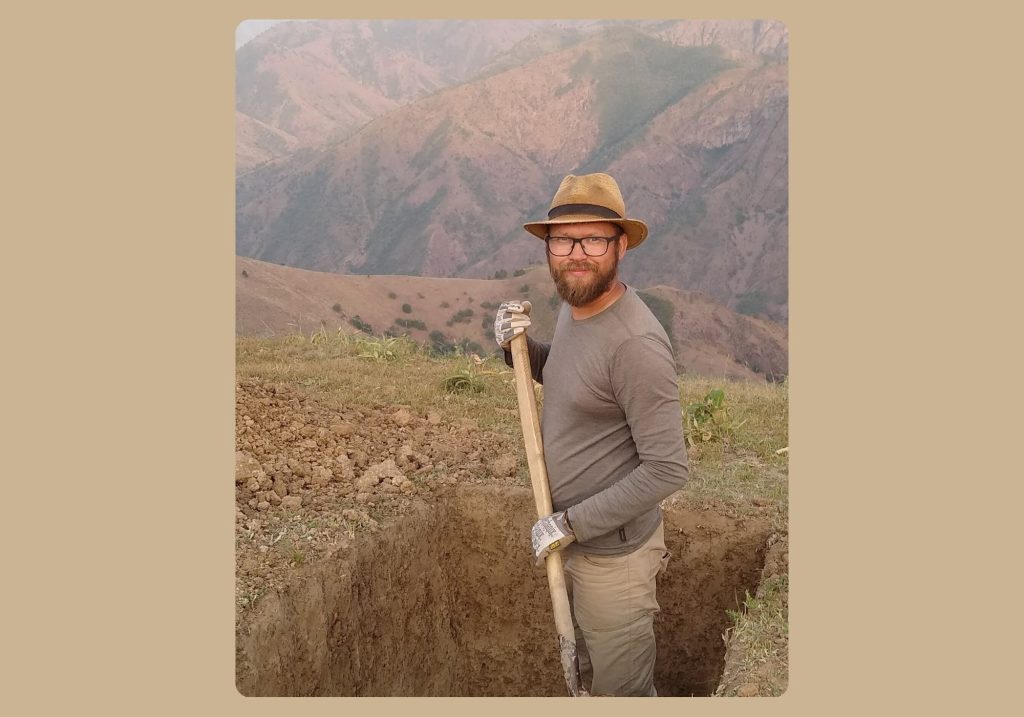
Michał Jakubczak, PhD
Michał Jakubczak, PhD, is an archaeologist whose work focuses on the application of remote sensing and GIS to explore past landscapes and human–environment interactions. He is based at the Bio- and Archaeometry Laboratory of the Institute of Archaeology and Ethnology, Polish Academy of Sciences. His research integrates archaeological interpretation with advanced geospatial technologies, combining LiDAR/ALS data processing, aerial and satellite imagery, and digital cartography to reconstruct settlement patterns and traces of historical land use.
He has extensive experience in national research projects. His main interests include ancient field systems (Celtic Fields), Neolithic settlement dynamics, and the use of emerging technologies in archaeology—particularly machine learning, spectral imaging, and drone-based data acquisition. Through an interdisciplinary approach, he develops methods for detecting, documenting, and interpreting archaeological features to better understand how people shaped their surroundings in the past.
Link to ResearchGate
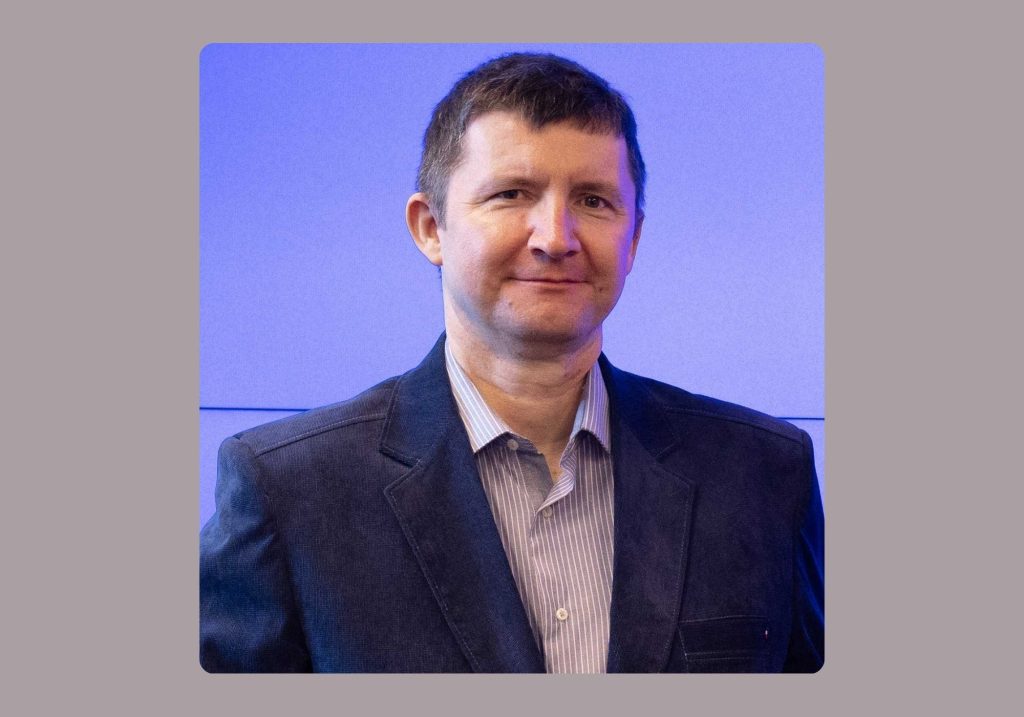
Piotr Moska, PhD
Piotr Moska is a physicist whose research centers on the application of luminescence phenomena in physical, geological, archaeological, and environmental studies. He earned his PhD in technical physics from the Faculty of Mathematics and Physics at the Silesian University of Technology in Gliwice in 2007. Since 2014, he has headed the scientific and research activities of the Gliwice Luminescence Dating Laboratory, working closely with archaeologists and geologists on projects aimed at reconstructing the chronology of environmental and cultural changes. In recent years, his research has focused on three main areas: the study of loess deposits in Poland, the reconstruction of dune formation processes over the past 15,000 years, and the dating of archaeological sediments and artifacts from both Poland and abroad.
Link to ORCID
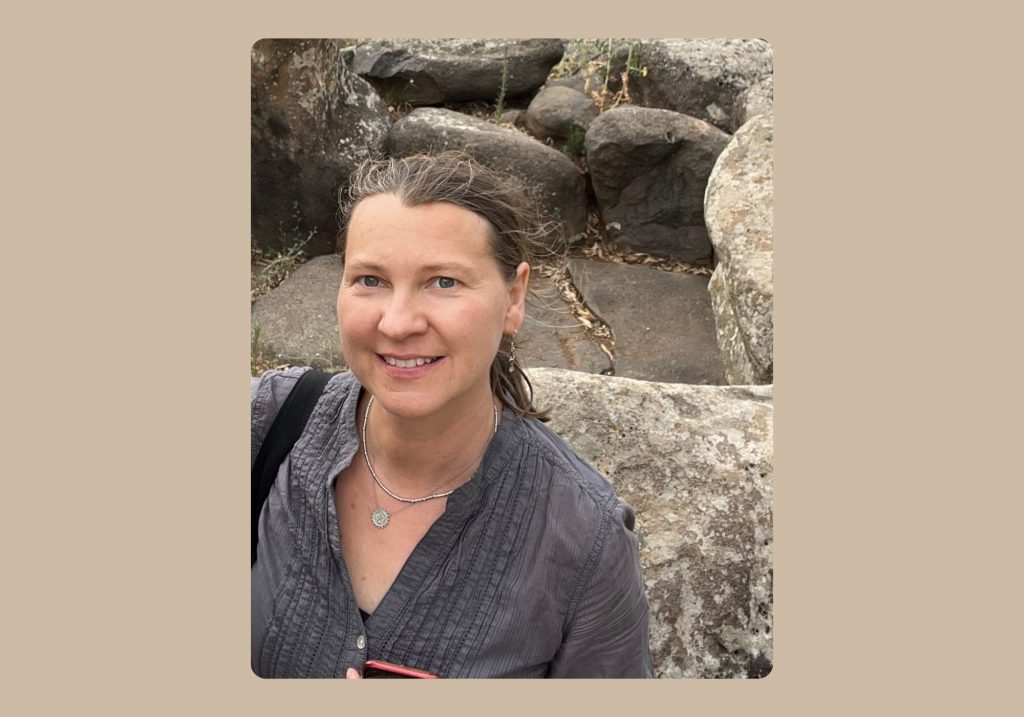
Magdalena Moskal-del Hoyo, PhD
Magdalena Moskal-del Hoyo, PhD, is a specialist in anthracology who investigates human-plant interactions through wood charcoal remains from archaeological sites across Europe, the Caucasus, and the Near East. She focuses on fuelwood use during the Palaeolithic and Neolithic, providing insights into woodland composition, vegetation change, climate shifts, and human adaptation strategies.
Her expertise bridges anthracology and archaeobotany within palaeoethnographic research, shedding light on fire use and fuel selection. She is particularly interested in the intersection of charcoal analysis and radiocarbon dating, which enables her to refine chronologies, reconstruct woodland history, and identify stratigraphic disturbances.
Link to ResearchGate

Marcin Przybyła, PhD
Marcin Przybyła, PhD, is an archaeologist and professor at the Jagiellonian University in Krakow. His research interests include Bronze Age societies in Europe, selected aspects of archaeological theory, as well as prehistoric settlement and economic systems in mountainous areas. In this project, his area of responsibility is the study of Holocene settlements in the western Tian Shan.
Link to ResearchGate

Krzysztof Wertz, PhD
Krzysztof Wertz is a zooarchaeologist specializing in bird comparative osteology. His research focuses on identifying bird remains from archaeological sites, often paired with taphonomic analyses of these bones. He works at the Polish Academy of Sciences, where he strives to balance research with the demands of reporting, applying, conferring, popularizing, keeping, maintaining, and a few other tasks. Thus far, he has not been particularly successful. He has, however, grown fond of third-person self-reference and artsy monochrome selfies, which attest to his scientific gravitas and credibility.
Link to ORCID
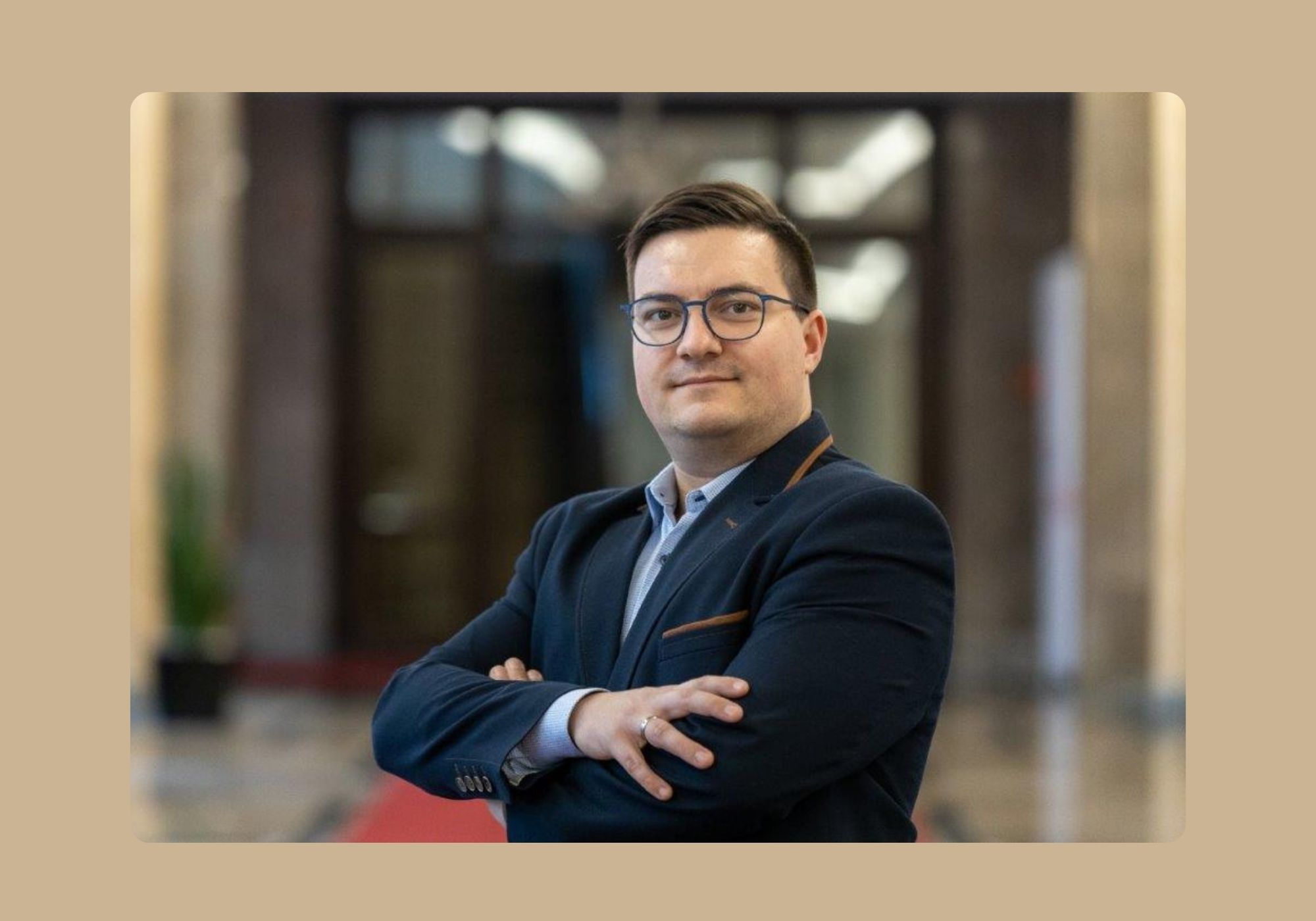
Jakub Chowaniec, PhD
Jakub Chowaniec is an assistant professor at the Department of Financial Law at the Faculty of Law and Administration at the University of Warsaw.
He is an expert on taxes and financial law of the former USSR countries at the Gabriel Szerszeniewicz Institute of Eastern Law. He’s also a former director of the Department of Tax Analysis at the Ministry of Finance in Poland.
He is an author of numerous publications on tax, banking and customs law, as well as taxes and financial aspects in the cultural sector.
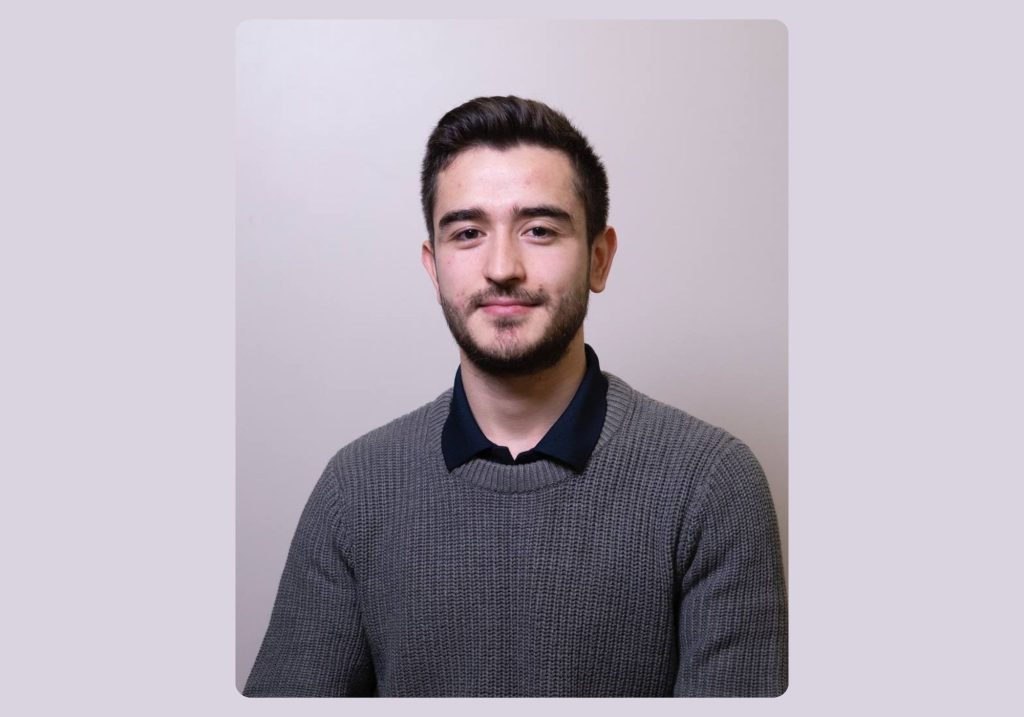
Timur Maksudiy
Timur Maksudiy is a Master’s student at the Faculty of Political Sciences and International Studies. Building on experience from his bachelor’s studies, he has contributed to multiple research projects in different faculties, leading some in a professional capacity. A polyglot fluent in four languages supports the team through research assistance, translation and interpretation, bridging linguistic and cultural gaps to ensure the project’s success.